
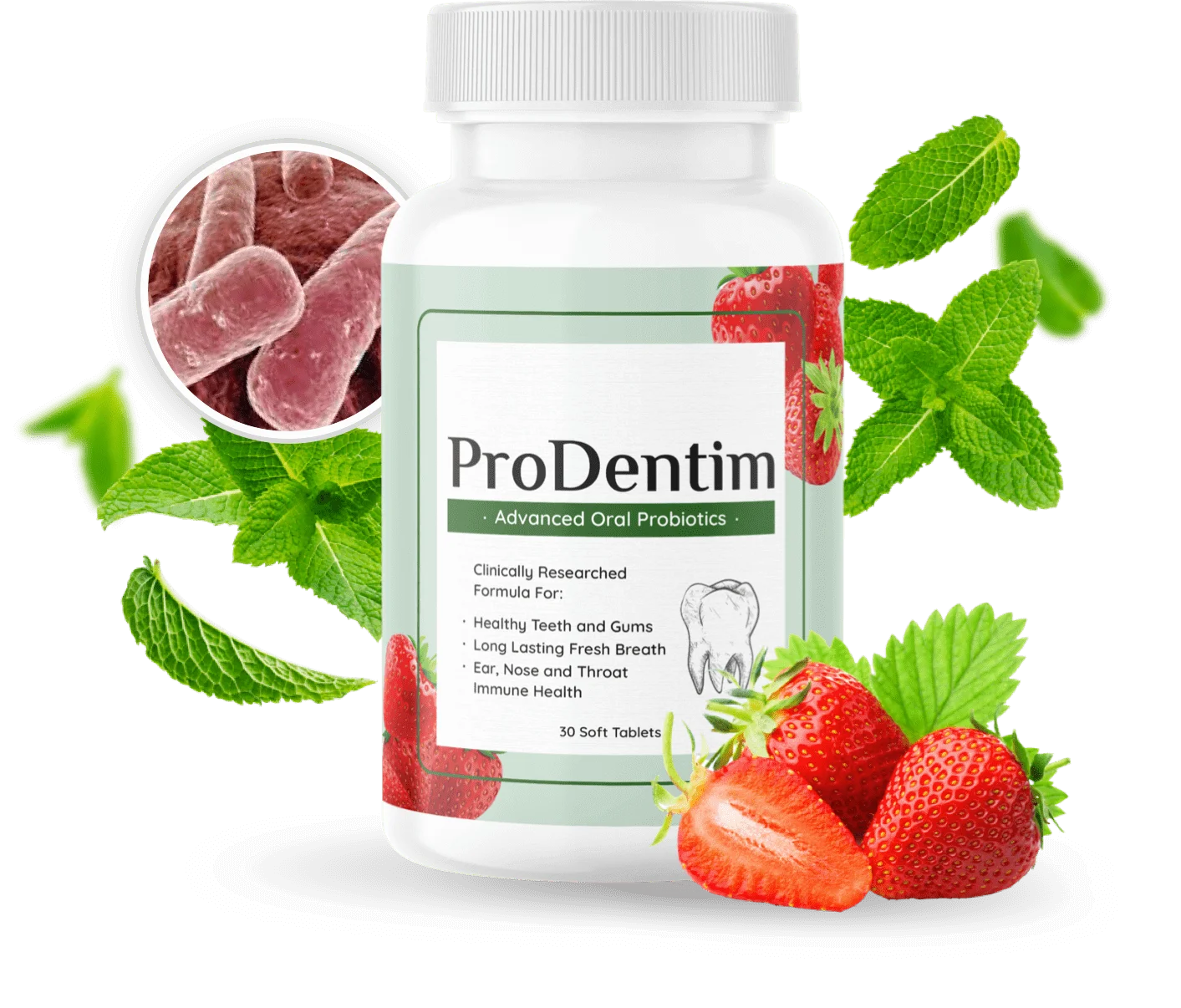
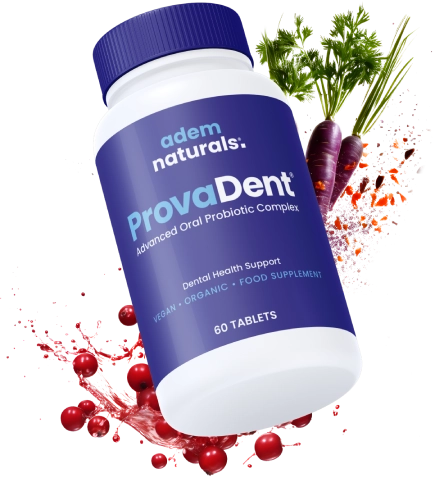
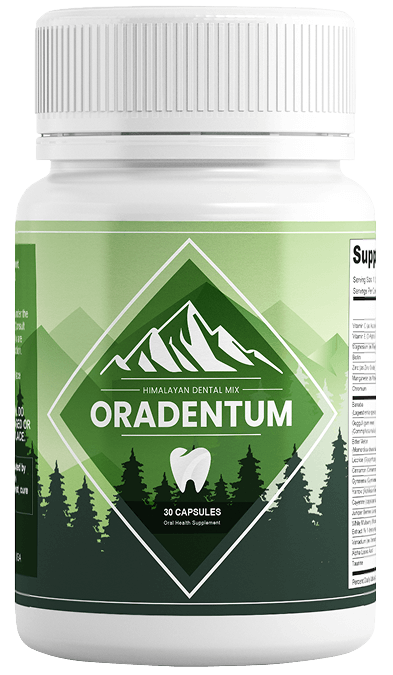
Top 3 Picks for Fresher Breath
Our highest-rated supplements for fresher breath, ranked by SupplementsMag Review Score.
Fresh Breath Guide
Fresh breath is an important part of oral health, confidence, and overall well-being. Learn what causes bad breath, how to prevent it, and the habits that help keep your mouth healthy every day.
Understanding Fresh Breath
Fresh breath is usually a sign of a healthy mouth. Temporary bad breath can happen after eating foods such as garlic or onions, drinking coffee, or waking up in the morning when saliva production naturally decreases. Persistent bad breath, also called halitosis, is often linked to bacteria in the mouth, poor oral hygiene, gum disease, dry mouth, tobacco use, or certain medical conditions.
The mouth naturally contains hundreds of types of bacteria. Many are harmless and even beneficial. However, when food particles remain on teeth, gums, or the tongue, bacteria break them down and release sulfur compounds that create unpleasant odors. Removing plaque, cleaning the tongue, and maintaining healthy gums can significantly reduce these odors.
Common Causes of Bad Breath
Poor Oral Hygiene
Plaque buildup allows odor-causing bacteria to multiply.
Dry Mouth
Reduced saliva allows bacteria and food debris to remain longer.
Gum Disease
Inflamed gums can contribute to persistent bad breath.
Diet & Tobacco
Certain foods and smoking can cause or worsen mouth odor.
Daily Habits for Fresher Breath
Brush your teeth for at least two minutes twice a day using fluoride toothpaste. Floss daily to remove plaque from between teeth. Clean your tongue with a tongue scraper or toothbrush because bacteria often collect on its surface. Drink plenty of water throughout the day to maintain saliva flow, which naturally cleans the mouth. Replace your toothbrush every three to four months or sooner if the bristles become worn.
A balanced diet that limits sugary foods and beverages supports oral health. Crunchy fruits and vegetables, such as apples and carrots, can stimulate saliva and help remove food particles. Sugar-free gum containing xylitol may also stimulate saliva in some people, although it should not replace brushing and flossing.
When to Seek Professional Advice
If bad breath persists despite good oral hygiene, consult a dentist. Persistent halitosis can sometimes indicate gum disease, tooth decay, poorly fitting dental appliances, or another health condition that requires professional evaluation. A dental examination can identify oral causes and determine whether additional care is needed.
Quick Quiz
Which daily habit helps reduce bad breath?