The Formula, Ingredient by Ingredient
What Is Actually Inside Spartamax, and What Does the Research Say?
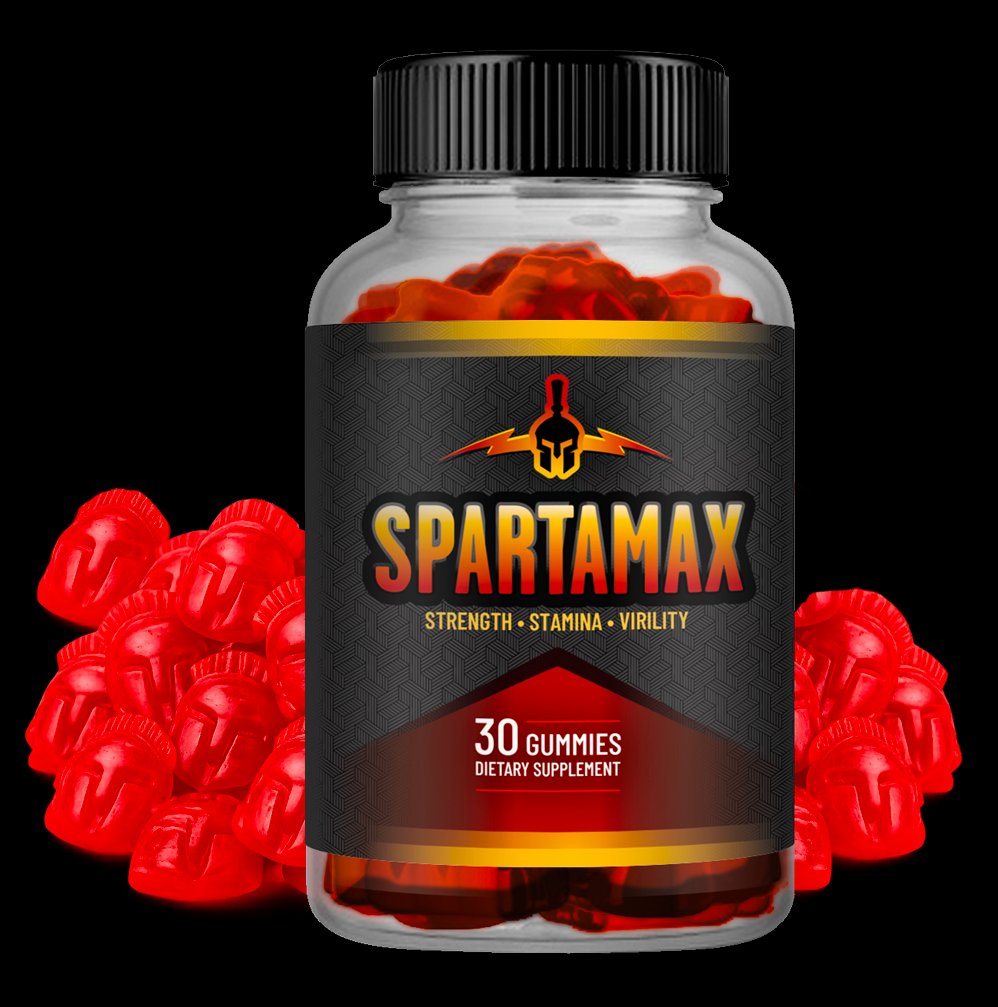
Each entry below covers the ingredient's proposed role, what human studies have actually found, and our verdict on the strength of that evidence.
L-Arginine
Evidence: Dose-Dependent
L-arginine is an amino acid the body converts into nitric oxide, a molecule that relaxes blood vessels and supports blood flow, which is why it's a common ingredient in circulation-focused supplements like Spartamax.
The strongest human data comes from a randomized, placebo-controlled trial in men with vasculogenic erectile dysfunction, which used 6 grams of L-arginine per day for three months and found meaningful improvement in erectile function scores in the treatment group. A separate systematic review and meta-analysis of ten randomized trials (540 patients) concluded arginine supplements can be recommended for mild-to-moderate ED, though study quality and dosing varied. Other trials combine L-arginine with pycnogenol (a pine bark extract) rather than testing arginine alone, which muddies attribution of the effect.
Verdict: The clinical benefit for erectile function shows up at multi-gram daily doses (commonly 5–6g), far more than a single gummy is likely to contain alongside seven other actives. Without a disclosed per-serving amount, it's not possible to say whether Spartamax delivers a clinically relevant dose.
Tongkat Ali (Eurycoma longifolia)
Evidence: Reasonably Strong (in low-T men)
Tongkat Ali is a Southeast Asian root extract studied primarily in men with clinically low testosterone, where standardized doses have raised total testosterone and reduced symptoms of aging-male syndrome.
A landmark trial gave 76 men with late-onset hypogonadism 200mg/day of a standardized extract for one month; roughly 90% of participants saw testosterone normalize into the reference range. A six-month randomized, placebo-controlled trial using the same 200mg dose found improvements in erectile function and testosterone, with the largest gains in men who also did resistance training. The effect is markedly smaller, or absent, in younger men who already have normal testosterone — Tongkat Ali appears to correct a deficit rather than boost an already-healthy system.
Verdict: Among the eight ingredients, this has some of the best human RCT support — but specifically at a standardized 200mg/day dose and specifically in men who start out low. It is not a guaranteed testosterone booster for every man.
Maca Root (Lepidium meyenii)
Evidence: Mixed
Maca is a Peruvian root traditionally used for libido, and while some trials show a modest improvement in sexual desire, controlled studies consistently find no change in testosterone or estrogen levels.
A 12-week randomized trial in 57 healthy men given 1,500–3,000mg/day found increased self-reported sexual desire that was independent of mood and unrelated to testosterone or estradiol levels. A separate 12-week trial confirmed no significant change in LH, FSH, or testosterone at 1,500–3,000mg. A systematic review of RCTs concluded there is preliminary evidence maca may improve sexual desire and mild ED symptoms, but flagged small sample sizes and study quality as limitations.
Verdict: Reasonable evidence for a modest libido effect through a non-hormonal pathway; essentially no evidence it changes testosterone, despite that association sometimes being implied in marketing.
Ashwagandha (Withania somnifera)
Evidence: Reasonably Strong
Ashwagandha is the ingredient in Spartamax with the most consistent clinical trial support, with multiple randomized studies showing reduced cortisol and improved measures of male sexual function.
An 8-week RCT in 76 healthy men (300mg twice daily) found significant improvements in sexual desire, satisfying sexual events, and IIEF scores versus placebo. A separate 60-day RCT (240mg/day) found significant reductions in morning cortisol and anxiety scores, with a testosterone increase that trended positive but did not reach significance versus placebo. A 16-week crossover trial in overweight men found significant increases in free testosterone and LH with an 8-week course of the extract.
Verdict: Of the eight ingredients, ashwagandha has the most consistent, well-designed human trial support for both stress reduction and self-reported sexual function — typically at 240–600mg/day of a standardized extract.
Horny Goat Weed / Icariin (Epimedium)
Evidence: Weak in Humans
Icariin, the active compound in horny goat weed, does inhibit the PDE5 enzyme in laboratory studies — the same target as prescription ED medications — but there is little published randomized, placebo-controlled human trial data confirming this translates into real-world results at supplement doses.
Laboratory (in vitro) work confirms icariin inhibits human PDE5 with a measurable IC50, and this mechanism is scientifically real. However, a review of botanical drugs for erectile dysfunction found most of the human-relevant data on Epimedium/icariin come from animal studies rather than robust randomized controlled trials in men, and researchers describe icariin's potency as substantially weaker than pharmaceutical PDE5 inhibitors like sildenafil.
Verdict: The mechanism is legitimate biochemistry, but the leap from "inhibits an enzyme in a test tube" to "works reliably in a gummy" is not yet supported by strong human trial data. This is the weakest evidence link in the formula.
Tribulus Terrestris
Evidence: Mixed
Tribulus terrestris has been studied in several human trials for erectile dysfunction, with some improvement in ED symptoms but little consistent effect on testosterone itself.
A 2025 systematic review of nine clinical trials (483 participants) found tribulus at 400–750mg/day for one to three months improved erectile dysfunction symptoms in three of five studies that measured it, but eight of ten studies found no significant change in androgen levels. A 180-person RCT (Maturitas, 2017) using the branded extract Tribestan found improvement in ED and sexual desire scores over placebo.
Verdict: Some support for symptom improvement, but the "testosterone booster" framing commonly used to market tribulus is not well supported — most trials found no hormonal change.
Beet Root
Evidence: Reasonably Strong (for circulation, not specifically sexual function)
Beet root's dietary nitrates are well-studied for cardiovascular and exercise performance, converting to nitric oxide through a pathway separate from L-arginine, though this research is about blood flow and exercise generally rather than sexual performance specifically.
Randomized crossover trials using 400–800mg of nitrate from beet root have shown measurable improvements in blood pressure, flow-mediated dilation, and arterial stiffness, and other trials show improved strength and reduced fatigue in resistance-trained men. This is genuine, replicated vascular-physiology research — but it was not conducted in the context of sexual performance, so any benefit there is inferred rather than directly demonstrated.
Verdict: Solid evidence for cardiovascular/circulatory benefits generally; extending that to sexual stamina specifically is a reasonable but unproven inference.
Grape Seed Extract
Evidence: Supportive, Indirect
Grape seed extract's proanthocyanidins are studied mainly for blood pressure and vascular endothelial function, not for sexual performance directly.
A randomized, placebo-controlled trial in adults with prehypertension found a high dose (400mg/day for 12 weeks) significantly reduced systolic blood pressure and improved markers of arterial stiffness. A separate crossover trial found 2g/day improved flow-mediated dilation, a marker of endothelial (blood vessel lining) health. Like beet root, this research supports general vascular health rather than sexual stamina specifically.
Verdict: Genuine cardiovascular antioxidant support at the doses studied; framed here as protecting the blood vessels that the other ingredients act on, which is a reasonable but indirect rationale.