-
01
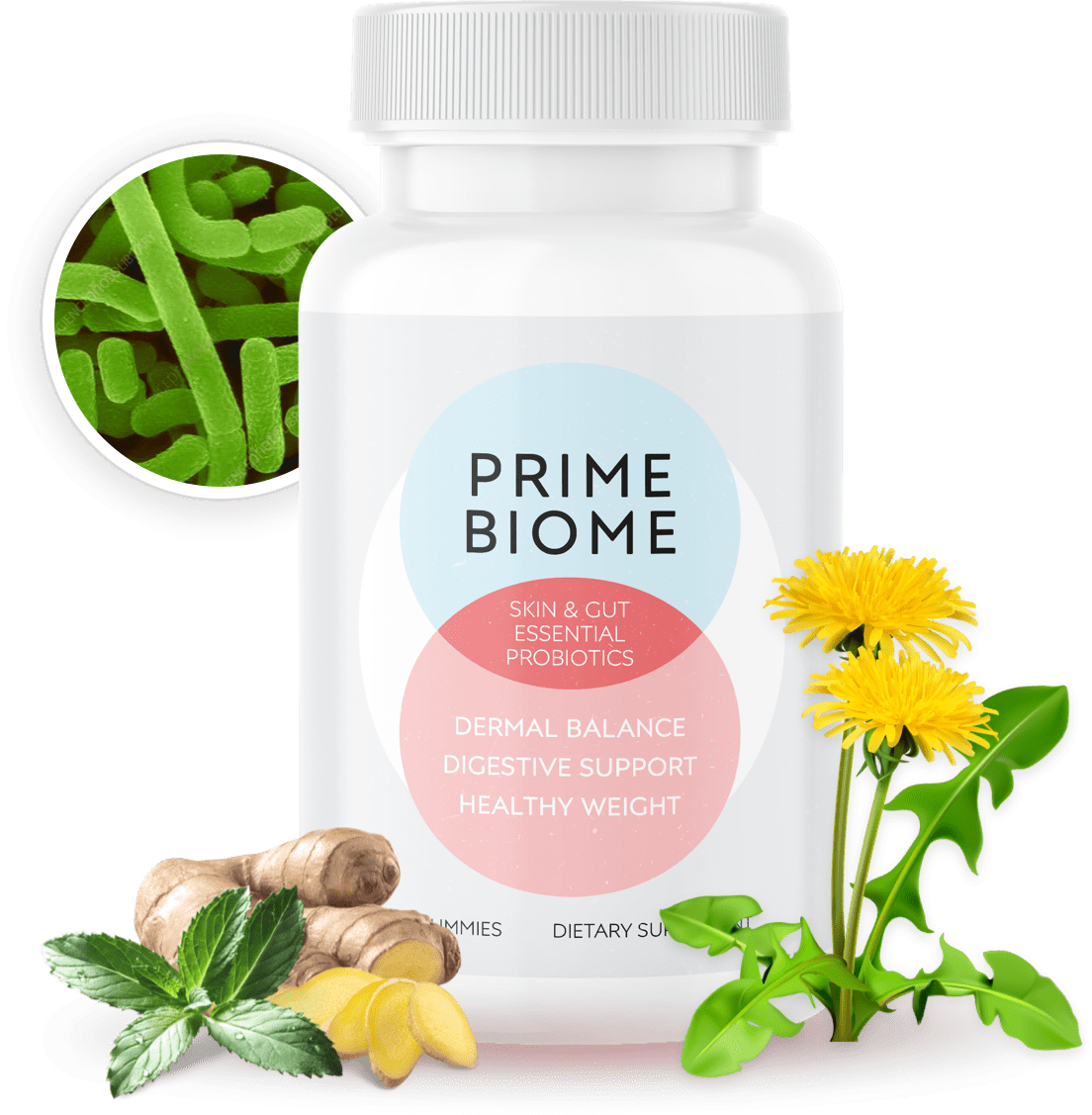
Bacillus coagulans
What it is: a spore-forming probiotic bacterium classified as generally recognized as safe (GRAS) for use in food in the United States.
Why it's in PrimeBiome: its spore coating helps it tolerate stomach acid on the way to the intestines, which is the main reason formulators choose it over more fragile probiotic species for shelf-stable products.
Verdict: among probiotic strains, B. coagulans has a reasonable body of clinical research behind it for digestive symptoms such as bloating and irregularity, though study quality and dosing vary widely across trials, and PrimeBiome doesn't publish the exact CFU count on its public marketing pages.
-
02
Inulin (prebiotic fiber)
What it is: a naturally occurring soluble fiber found in chicory root and other plants.
Why it's in PrimeBiome: prebiotic fibers like inulin aren't digested by the body directly — instead they act as food for beneficial gut bacteria, which is the intended reason for pairing it with a probiotic strain.
Verdict: inulin's role as a prebiotic is well established in nutrition science, though high amounts can cause gas or bloating in sensitive individuals, especially early on.
-
03
Babchi (Psoralea corylifolia)
What it is: a plant used in traditional South Asian herbal practices, most often associated with skin-related folk remedies.
Why it's in PrimeBiome: it's included for its traditional association with skin support, tying into the brand's gut-skin marketing angle.
Verdict: babchi's traditional use is well documented, but rigorous human clinical trials on oral babchi extract for skin outcomes are limited, so this ingredient rests more on traditional use than strong modern clinical evidence.
-
04
Slippery elm bark
What it is: the inner bark of the slippery elm tree, which contains mucilage — a gel-forming substance.
Why it's in PrimeBiome: mucilage is traditionally used to soothe and coat the digestive tract, which is the rationale for including it in a gut-focused formula.
Verdict: slippery elm has a long history of traditional digestive use and is generally considered safe at food-level amounts, though large-scale clinical trials specific to this use are limited.
-
05
Fennel
What it is: a culinary and medicinal plant whose seeds are commonly used in teas for digestive comfort.
Why it's in PrimeBiome: fennel is a familiar traditional remedy for gas and bloating, which aligns with the product's digestive-comfort positioning.
Verdict: fennel has reasonable traditional and preliminary scientific support for mild digestive discomfort, and it's a well-tolerated, food-safe ingredient at typical supplement amounts.
-
06
Dandelion
What it is: a plant whose root and leaf are used in traditional herbal preparations, sometimes marketed as a mild diuretic or digestive bitter.
Why it's in PrimeBiome: it's included largely for its traditional digestive-bitter reputation, thought to support normal digestive function.
Verdict: dandelion is generally well tolerated, but as with several botanicals in this formula, direct clinical evidence for the specific claims made is thinner than the evidence for the probiotic and fiber components.
Because PrimeBiome uses a proprietary blend for its botanical ingredients, the label doesn't disclose an exact milligram breakdown per plant. If ingredient-by-ingredient dosing matters to you, that's a reasonable question to raise directly with the manufacturer before ordering.