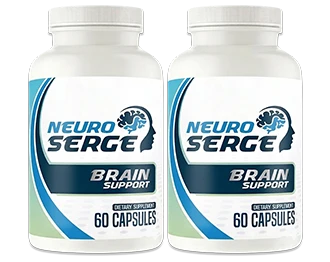
Neuro Serge brain and cognitive health supplement bottle with capsules
Botanical Cognitive Support

Neuro Serge

A plant-based formula built around seven researched botanical extracts for everyday brain health

Neuro Serge brings together cinnamon, olive leaf, grape seed, bilberry, and three other plant-derived ingredients into a single daily capsule aimed at supporting blood flow to the brain, antioxidant protection, and steady mental clarity. Below, we break down exactly what's inside, what the research says about each ingredient, and where the evidence is still limited.

Visit Official Website
7Botanical ingredients
0Artificial fillers claimed
1Capsule serving size

At a Glance

Neuro Serge Quick Overview

Before the deep dive, here's the short version of what Neuro Serge is and what it claims to do.

CategoryDetail
Product nameNeuro Serge
CategoryBrain health / cognitive wellness dietary supplement
FormatOral capsules
Core ingredientsCinnamomum cassia, olive leaf extract, DGL, grape seed extract, bilberry extract, green tea extract, BioPerine®
Primary focus areasCerebral blood flow, antioxidant support, focus, mental calm
Stimulant-basedNo added synthetic stimulants in the listed formula
Suggested useFollow the dosage printed on the product label
Where to buyOfficial Neuro Serge website only

Introduction

What Is Neuro Serge?

Neuro Serge is a dietary supplement formulated to support brain health through a blend of seven plant-derived extracts rather than synthetic stimulants or nootropic drugs. Its ingredient list leans heavily on compounds studied for their antioxidant and vascular-support properties — cinnamon bark, olive leaf, grape seed, and bilberry among them — alongside green tea extract and a bioavailability enhancer, BioPerine®.

Unlike caffeine-heavy "focus" supplements, Neuro Serge is positioned around a slower, more cumulative idea of brain support: protecting neurons from oxidative stress, supporting healthy blood flow to the brain, and helping the body manage everyday internal stress that can interfere with mental clarity. It's built for people looking for a daily wellness habit, not an instant stimulant effect.

Positioning

Why Does Neuro Serge Stand Out?

Neuro Serge stands out mainly for its ingredient sourcing — it favors whole-extract botanicals with a documented history of antioxidant and vascular research over proprietary synthetic nootropic compounds. Below are the specific angles that separate its approach.

Vascular-first formulation

Several Neuro Serge ingredients — cinnamon, grape seed, and bilberry — are studied specifically for circulatory and blood-flow effects rather than direct stimulation, an approach rooted in the idea that the brain depends on steady oxygen and nutrient delivery.

No synthetic stimulant stack

The formula does not rely on high-dose caffeine or synthetic nootropics, which may appeal to people who want to avoid the jitteriness or crash associated with stimulant-based products.

Absorption-focused inclusion

The inclusion of BioPerine® black pepper extract signals an intent to address one of the biggest weaknesses of polyphenol supplements: poor natural absorption.

The Formula

Neuro Serge Ingredients: What's Inside Each Capsule?

Every ingredient below is examined on its own research merits — separate from Neuro Serge as a finished product, since the finished blend itself has not been through independent clinical testing. Where research exists, we link to it directly.

01

Cinnamomum Cassia

Cassia cinnamon bark extract

Cassia cinnamon is one of the more studied spices for blood sugar regulation, and animal research has extended that work into the brain: in diabetic rodent models, cinnamon extracts reduced markers of oxidative stress and glycation damage in the hippocampus and improved performance on maze-based memory tasks (Cinnamomum cassia review, ScienceDirect). The proposed link to focus is indirect: stable blood sugar tends to support more even mental energy across the day.

Verdict: the mechanism is plausible and well-studied in animals, but there is currently no published human trial testing cassia cinnamon specifically for cognition or memory — the Alzheimer's Drug Discovery Foundation notes that no human research has yet reported whether cinnamon benefits patients with cognitive impairment. Cassia cinnamon also contains coumarin, so intake above roughly 2 grams a day is generally discouraged.

Promising, animal-stage evidence
02

Olive Leaf Extract

Olea europaea leaf extract (oleuropein-rich)

Olive leaf's primary active compound, oleuropein, is one of the better-characterized polyphenols in neuroscience research. In mouse models of Alzheimer's disease, oleuropein-rich extract reduced neuroinflammation and interfered with the clumping of amyloid-beta proteins (Olive leaf extract and cognitive decline, PMC). Separate rodent work found that olive leaf extract helped prevent working-memory decline linked to a high-fat diet.

Verdict: mechanistically one of the stronger ingredients in the formula, with antioxidant and anti-inflammatory activity well documented in cell and animal studies. Large-scale human cognitive trials on olive leaf extract specifically are still limited.

Promising, animal-stage evidence
03

Deglycyrrhizinated Licorice (DGL)

Glycyrrhiza glabra root extract, glycyrrhizin removed

DGL is licorice root with glycyrrhizin (the compound responsible for licorice's blood-pressure and hormonal side effects) stripped out, which is why it's generally considered gentler for long-term use than whole licorice extract. Traditionally, DGL is used to support the digestive lining, and its inclusion here is framed around the gut-brain connection and general internal stress reduction rather than a direct nootropic effect.

Verdict: DGL is well studied for digestive comfort, but direct evidence linking it to mood, focus, or neurotransmitter balance is thin compared to the other ingredients in this formula. Its role here should be understood as supportive rather than central.

Limited direct cognitive evidence
04

Grape Seed Extract

Vitis vinifera seed extract, standardized for proanthocyanidins

Grape seed extract is one of the better-supported ingredients in the formula. A randomized, double-blind, placebo-controlled trial in older adults with mild cognitive impairment tested grape seed procyanidin extract directly against placebo (Grape seed procyanidins and MCI, ScienceDirect). Proanthocyanidins are also water-soluble enough to cross the blood-brain barrier more readily than many other plant antioxidants, which supports the blood-flow and cell-protection rationale.

Verdict: among the stronger ingredients here, with both preclinical mechanism studies and at least one human trial in a cognitively relevant population.

Human trial evidence exists
05

Bilberry Extract

Vaccinium myrtillus fruit extract

Bilberry's anthocyanins have been studied for supporting small blood vessels, including those that supply the retina and, by extension, brain regions with dense microvascular networks. A 2025 pilot human study on a standardized bilberry extract found signals for mood and cognitive benefit alongside a favorable safety profile (Standardized bilberry extract, Frontiers in Nutrition). A separate larger trial in older men with subjective memory complaints, however, found no significant change in memory or motor test scores after nine weeks.

Verdict: the safety data on bilberry extract is strong and consistent across decades of trials, but the cognitive-benefit evidence in humans is mixed rather than settled.

Mixed human evidence
06

Green Tea Extract

Camellia sinensis leaf extract (L-theanine source)

Green tea extract supplies L-theanine, the amino acid most associated with the "calm, focused" effect tea drinkers describe. The research picture is nuanced: theanine alone, in most controlled trials, does not reliably improve attention on its own, but when combined with a small amount of caffeine it has repeatedly shown improved attentional performance and reduced distractibility (L-theanine and cognitive performance meta-analysis, PMC). L-theanine also has consistent human evidence for lowering subjective stress.

Verdict: reliable for stress reduction; the "focused energy" claim depends partly on residual caffeine content in the extract, which is typically modest in green tea extract compared to coffee.

Solid evidence for calm; mixed for focus alone
07

Black Pepper Extract (BioPerine®)

Piper nigrum fruit extract, standardized for piperine

BioPerine® doesn't act on the brain directly — its role is pharmacokinetic. Piperine, its active compound, is well established in the supplement literature for temporarily inhibiting certain liver and gut enzymes that would otherwise break down polyphenols before they're absorbed, which is why it's frequently paired with curcumin, resveratrol, and similar compounds in commercial formulas.

Verdict: a reasonable formulation choice given how many antioxidant polyphenols (from cinnamon, olive leaf, grape seed, and bilberry) sit elsewhere in this blend, though it doesn't contribute a cognitive effect of its own.

Supportive, well-established mechanism

Mechanism

How Does Neuro Serge Work?

Neuro Serge is designed to work through three overlapping mechanisms: supporting blood flow to the brain, reducing oxidative stress on neurons, and helping the body manage everyday internal stress that can cloud focus. None of these are instant effects — they reflect the slower, cumulative logic of a botanical antioxidant blend rather than a stimulant.

1

Supporting Cerebral Blood Flow

Cinnamon, grape seed, and bilberry extracts are each studied for vascular effects — supporting small blood vessels and, in animal models, improving delivery of oxygen and nutrients to brain tissue. The brain uses a disproportionate share of the body's blood supply relative to its size, so circulatory support is a reasonable target for a cognitive wellness formula.

2

Buffering Oxidative Stress

Olive leaf, grape seed, bilberry, and green tea extract all supply polyphenols with documented antioxidant activity in laboratory assays. Oxidative stress is one of the most consistently cited contributors to age-related cognitive decline in the neuroscience literature, which is the rationale for stacking multiple antioxidant sources rather than relying on one.

3

Managing Everyday Internal Stress

DGL and L-theanine (from green tea extract) are positioned around calm rather than stimulation — DGL through traditional digestive and gut-brain support, and L-theanine through well-documented reductions in subjective stress markers, which can make it easier to sustain attention on a task without the jitteriness associated with stimulants.

Balanced View

Neuro Serge Pros and Cons

Pros

  • Built on plant-derived ingredients with peer-reviewed research behind most of them
  • No added synthetic stimulants, which may suit people sensitive to caffeine
  • Includes BioPerine® specifically to improve absorption of the other polyphenols
  • Multiple ingredients (grape seed, bilberry) have at least some human trial data
  • Formula addresses three distinct angles: blood flow, oxidative stress, and internal calm

Cons

  • The finished Neuro Serge formula has not been independently clinically tested
  • Some ingredients (DGL, cassia cinnamon) have limited direct human cognitive research
  • Effects are likely gradual, not an instant "focus" sensation
  • Cassia cinnamon's coumarin content means it isn't ideal for unlimited daily dosing
  • Only available through the official website, which limits price comparison

Availability

Where to Buy Neuro Serge

Neuro Serge is sold directly through its official website. Buying there is the only way to confirm current pricing, any multi-bottle bundle discounts, and the manufacturer's stated return policy — details that can change and that we don't reproduce here to avoid publishing stale figures.

Visit Official Website

Safety

Neuro Serge Side Effects and Safety

Neuro Serge is formulated from food-derived botanical extracts, which generally have a mild side-effect profile in healthy adults at typical supplement doses, but "plant-based" does not mean risk-free. A few specific considerations are worth knowing before starting it.

  • Cassia cinnamon and coumarin: cassia-type cinnamon contains coumarin, which can affect the liver at high cumulative doses; most safety reviews suggest staying under roughly 2 grams of cassia cinnamon per day.
  • Blood sugar medication: cinnamon can lower blood glucose, so anyone on insulin or other diabetes medication should check with a doctor before adding it, due to the risk of additive effects.
  • Blood-thinning medication: several polyphenol-rich extracts (grape seed, bilberry, green tea) can have mild effects on platelet function; combining them with anticoagulants warrants medical guidance.
  • Pregnancy and nursing: the safety of this specific combination has not been studied in pregnant or nursing individuals, so it's not recommended without a doctor's sign-off.
  • General allergy caution: as with any botanical blend, individual sensitivity to specific plant compounds is possible even when the overall ingredient class is well tolerated.

This information is educational and does not replace advice from a licensed healthcare provider. Neuro Serge, like other dietary supplements, has not been evaluated by the FDA to diagnose, treat, cure, or prevent any disease. Individual results vary.

Common Questions

Neuro Serge FAQs

What is Neuro Serge?

Neuro Serge is a dietary supplement that combines seven plant-derived ingredients — including cinnamon, olive leaf, and grape seed extract — formulated to support brain blood flow, antioxidant protection, and everyday mental clarity.

What ingredients are in Neuro Serge?

Neuro Serge's ingredients are Cinnamomum cassia, olive leaf extract, deglycyrrhizinated licorice (DGL), grape seed extract, bilberry extract, green tea extract, and black pepper extract (BioPerine®) for absorption support.

Is Neuro Serge backed by clinical research?

Neuro Serge as a finished formula has not gone through independent clinical trials, but several of its individual ingredients — particularly grape seed proanthocyanidins and bilberry anthocyanins — have supporting human and preclinical research for brain-related outcomes.

Are there any Neuro Serge side effects to know about?

Neuro Serge side effects are typically mild for healthy adults given the food-derived ingredient list, but people on blood sugar medication or blood thinners, and anyone pregnant, nursing, or managing a liver condition, should talk to a doctor before use because of the cassia cinnamon content.

How is Neuro Serge different from a stimulant-based focus supplement?

Neuro Serge does not include added synthetic stimulants; instead it leans on vascular-support and antioxidant botanicals plus L-theanine, aiming for gradual, cumulative support rather than an immediate energy spike.

Where can I buy Neuro Serge?

Neuro Serge can be purchased through the official Neuro Serge website, which is the only source that can confirm current pricing, bundle options, and the manufacturer's return policy.

Further Reading

Neuro Serge Research & Educational Review

For readers who want to go deeper on the science behind Neuro Serge's individual ingredients, these are the primary and review sources referenced throughout this page.

Cinnamon and Diabetes-Related Cognitive Impairment

A mechanistic review of Cinnamomum cassia's effects on glucose metabolism and diabetes-linked cognitive decline in animal models.

Read on ScienceDirect →

Cinnamon and Brain Health Safety Overview

The Alzheimer's Drug Discovery Foundation's independent safety and evidence rating for cinnamon and cognition.

Read on Cognitive Vitality →

Olive Leaf Extract and Cognitive Decline in Mice

A peer-reviewed study on how olive leaf extract affected obesity-linked cognitive decline and working memory in a mouse model.

Read on PMC →

Grape Seed Procyanidins in Mild Cognitive Impairment

A randomized, double-blind, placebo-controlled human trial testing grape seed extract in older adults with MCI.

Read on ScienceDirect →

Standardized Bilberry Extract Pilot Study

A 2025 randomized, placebo-controlled pilot study assessing a standardized bilberry extract for mood and cognitive function.

Read on Frontiers →

L-Theanine and Cognitive Performance Meta-Analysis

A systematic review and meta-analysis of randomized controlled trials examining L-theanine's effects on human cognitive performance.

Read on PMC →

These sources discuss the individual ingredients found in Neuro Serge, not the finished Neuro Serge product itself, which has not been the subject of independent published research at the time of writing.