A liquid botanical blend for blood sugar, energy, and metabolic support — reviewed honestly
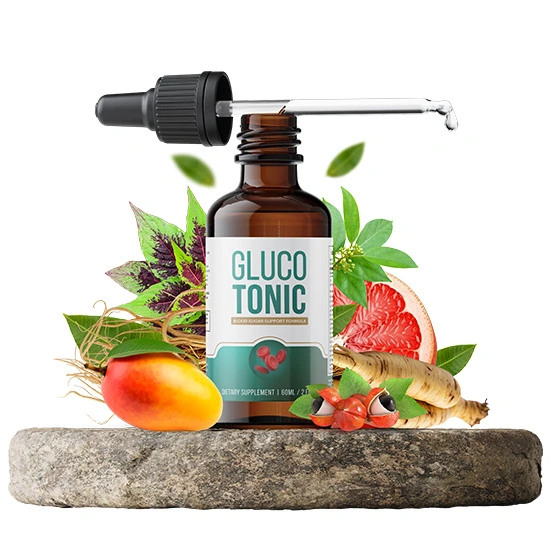
GlucoTonic is a liquid dietary supplement combining six plant-based ingredients — eleuthero, coleus, maca root, African mango, guarana, and gymnema — marketed for blood sugar support, energy, and metabolic wellness. This page walks through what each ingredient's actual research shows, what's unproven, current pricing, and safety considerations, so you can decide with real information rather than marketing claims.
Editorial note: This page is independently written for informational purposes and contains an affiliate link. GlucoTonic is a dietary supplement, not a drug — it is not intended to diagnose, treat, cure, or prevent diabetes or any disease, and it has not been evaluated by the FDA. The manufacturer's public product page does not disclose exact milligram amounts or extract standardizations for its ingredients, which limits how precisely we can evaluate dosing against clinical research. If you have diabetes, prediabetes, or take blood-sugar-affecting medication, talk to your doctor before starting this or any supplement.
Exact doses/extract forms not published on the official page
Best-supported ingredient
Gymnema sylvestre — modest, consistent evidence for blood sugar support
Manufacturing claim
Made in the USA (as stated by manufacturer)
Refund window
90 days, per manufacturer's stated policy
What Is GlucoTonic?
GlucoTonic is a liquid dietary supplement positioned around three goals: supporting blood sugar already in a normal range, boosting everyday energy, and aiding metabolic function. It's taken by mouth via dropper rather than as a capsule, which the manufacturer frames as easier to absorb — though liquid delivery doesn't inherently change how well plant extracts are absorbed compared to well-formulated capsules; both depend on the extract quality and dose, neither of which GlucoTonic discloses.
Why This Formula Stands Out — And Where It Doesn't
GlucoTonic's angle is combining a handful of Ayurvedic and traditional botanicals that have separately been studied for glycemic control, energy, and fat metabolism, rather than leaning on a single "hero" ingredient. That's a reasonable formulation strategy. What genuinely stands out is that one of its six ingredients — gymnema — has real, repeated clinical-trial support for blood sugar. What doesn't stand out, and should be said plainly: none of the amounts are disclosed, so there's no way to confirm the doses used are anywhere near the ones shown effective in the studies below.
GlucoTonic Ingredients: What the Research Actually Shows
Each ingredient below is explained on its own — what it is, why a formulator would include it, and an honest verdict based on published research rather than marketing copy.
Modest, repeated clinical evidence
Gymnema Sylvestre
Known in Hindi as the "sugar destroyer," gymnema is the ingredient in this formula with the most direct clinical backing for blood sugar. A systematic review pooling ten controlled studies in people with type 2 diabetes found a statistically significant, though clinically modest, reduction in fasting blood glucose. Individual trials using around 400–1,000 mg per day of extract over 30–60 days reported larger fasting-glucose drops, and researchers believe it may work by supporting insulin secretion, encouraging pancreatic beta-cell activity, and reducing intestinal sugar absorption. Verdict: genuinely the best-evidenced ingredient in this formula for its stated purpose — but effect sizes in the pooled data are small, trial quality is uneven, and GlucoTonic doesn't disclose whether its dose is anywhere near the 400 mg+ used in the positive trials.
Traditional use recognized; not proven for blood sugar
Eleuthero (Siberian Ginseng)
Eleuthero is an adaptogen with a long history in Russian, Chinese, and Korean traditional medicine for stamina and resilience to stress. The European Medicines Agency recognizes it, on the basis of traditional use, for relieving fatigue and weakness — not as a clinically proven treatment. Human trial results on energy and cognition are mixed: some small studies show improved concentration and reaction time under stress, while a randomized controlled trial found no added benefit for chronic fatigue. Notably, one small human study reported eleuthero raised blood sugar in healthy adults, the opposite of what a "blood sugar support" formula would want. Verdict: reasonable inclusion for general energy support based on traditional use, but it isn't evidence for glucose management, and diabetics should be cautious given the mixed glycemic signal.
Small positive trials, needs bigger studies
Coleus Forskohlii
Coleus contains forskolin, a compound that activates an enzyme (adenylate cyclase) involved in fat breakdown and metabolic signaling. A small open-label trial (12 completers) found reductions in body weight, fat mass, and BMI over 8 weeks at 500 mg twice daily standardized to 10% forskolin; a separate randomized controlled trial combined with a reduced-calorie diet found improvements in metabolic syndrome risk factors. Verdict: plausible mechanism with some real human data behind it, but sample sizes are small and results haven't been widely replicated — this supports "may help metabolism," not a guarantee.
Traditional energy use; direct evidence thin
Maca Root
Maca is a Peruvian root vegetable traditionally used for stamina, mood, and hormonal balance, particularly around fatigue and libido. It's included here for its energy-supporting reputation rather than any specific blood-sugar mechanism. Verdict: a traditional-use energy ingredient — reasonable as a general vitality add-in, not a blood sugar ingredient.
Low-to-emerging evidence
African Mango (Irvingia Gabonensis)
Seeds from this West African tree are rich in soluble fiber and have been studied in a handful of small, industry-linked trials for weight loss and cholesterol. An independent evidence review characterizes the overall support as low-quality, while more recent small studies suggest possible effects on the metabolic hormone adiponectin. Verdict: an interesting but still under-proven ingredient; treat weight/metabolism claims tied to it as preliminary, not established.
Well-established stimulant effect
Guarana
Guarana seeds are naturally high in caffeine, which reliably increases alertness and modestly boosts metabolic rate — this is well-established pharmacology, not a stretch claim. It's the most straightforward "energy" ingredient in the blend. Verdict: does what caffeine does — real, but not specific to blood sugar, and worth knowing about if you're sensitive to stimulants or already consume caffeine elsewhere in your day.
How Does GlucoTonic Work?
GlucoTonic doesn't work through one single mechanism — it combines ingredients that act on different systems. Gymnema may support insulin activity and reduce sugar absorption in the gut. Coleus may support fat metabolism through cellular signaling. Guarana provides a direct caffeine-driven energy lift. Eleuthero and maca contribute through traditional adaptogen and stamina pathways rather than blood-sugar-specific mechanisms. Combined, the formula is best understood as a general metabolic-wellness blend with one ingredient (gymnema) genuinely aimed at glucose control — not as a clinically validated blood sugar treatment.
Pros and Cons
Pros
Contains gymnema, an ingredient with real (if modest) clinical support for blood sugar
Liquid format may suit people who dislike swallowing capsules
Combines ingredients targeting energy, metabolism, and glucose rather than just one goal
90-day refund window, per manufacturer's stated policy
Cons
No disclosed dosages or extract standardizations for any ingredient
Not clinically trialed as a finished formula — evidence is per-ingredient, not per-product
Contains guarana (caffeine) and eleuthero, which one small study linked to raised blood sugar — worth discussing with a doctor if you're diabetic
Only available through the official website
Individual results will vary; this is a supplement, not a treatment
Where to Buy GlucoTonic and What It Costs
GlucoTonic is sold directly through the manufacturer's website in three bundle sizes; pricing and bonus offers are set by the manufacturer and can change, so treat the figures below as a snapshot rather than a guarantee.
Package
Supply
Price
Shipping
2 Bottles
60 days
$138 total ($69/bottle)
Additional shipping
3 Bottles
90 days
$177 total ($59/bottle)
Free (US)
6 Bottles
180 days
$294 total ($49/bottle)
Free (US)
For current pricing, stock, and any active offers, check the official GlucoTonic order page directly, since third-party pages (including this one) can go out of date.
GlucoTonic Side Effects and Safety
GlucoTonic's ingredients are generally considered well-tolerated by healthy adults at traditional doses, but "generally well-tolerated" isn't the same as "risk-free for everyone." Guarana's caffeine content can cause jitteriness or disrupted sleep in sensitive people. Eleuthero has been linked in small studies to changes in blood sugar and may interact with digoxin and drugs metabolized by certain liver enzymes. Because exact doses aren't disclosed, it's not possible to fully assess cumulative stimulant or interaction risk. If you're pregnant, nursing, managing diabetes, or taking any prescription medication — especially for blood sugar, blood pressure, or heart conditions — talk to your doctor before use.
GlucoTonic FAQs
How do I take GlucoTonic?
To take GlucoTonic, the manufacturer instructs placing two full droppers under the tongue each morning, holding for about 30 seconds, then swallowing — or mixing the dose into water for a milder taste.
How fast can I expect results from GlucoTonic?
Results from GlucoTonic will vary by individual, and no clinical trial has measured its finished-formula timeline. Based on the ingredient research above, any glucose-related effect from gymnema would realistically take several weeks of consistent use to show up in a fasting glucose reading, not days.
Is GlucoTonic backed by a guarantee?
Yes — GlucoTonic comes with a 90-day money-back guarantee as stated by the manufacturer, which lets you request a refund if it doesn't work for you within that window.
Does GlucoTonic contain allergens or artificial additives?
GlucoTonic is marketed as a natural, botanical formula, but the official page doesn't publish a full allergen statement. Check the physical label or contact the manufacturer directly before ordering if you have specific allergies.
Where is GlucoTonic manufactured?
GlucoTonic is manufactured in the USA, according to the manufacturer, in a facility it describes as following standard quality-control practices.
Is GlucoTonic a substitute for diabetes medication?
No — GlucoTonic is not a substitute for diabetes medication or medical care. It's a dietary supplement, not an FDA-approved treatment, and anyone with diabetes or prediabetes should continue working with their doctor rather than replacing prescribed treatment with a supplement.
Further Reading on the Ingredients
For readers who want to go deeper than this summary, the gymnema evidence discussed above is drawn from systematic reviews and controlled trials indexed on PubMed Central; the eleuthero safety and traditional-use notes reference European Medicines Agency herbal monographs; and the coleus forskohlii weight-management trials are published in peer-reviewed nutrition and obesity journals. We encourage checking primary sources rather than taking any single product page — including this one — at face value.
Our Honest Take on GlucoTonic
GlucoTonic is a reasonably assembled blend built around one genuinely evidence-supported ingredient for blood sugar (gymnema) alongside several energy- and metabolism-oriented botanicals with weaker or more preliminary support. The biggest gap is transparency: without disclosed doses, it's impossible to know whether the amounts used match what clinical trials actually tested. It may be worth considering as a general wellness supplement alongside — never instead of — medical care for blood sugar management, and it's not a fit if you want a fully dosage-transparent product or need to avoid caffeine and adaptogens.