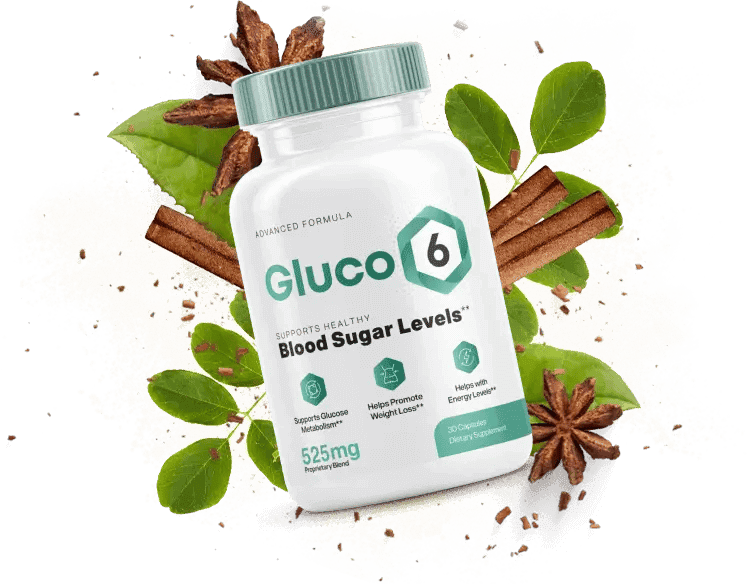
How Gluco6's Key Ingredients Are Thought to Work
Chromium — why it's included
Chromium is a trace mineral involved in how the body handles insulin. The theory is that chromium picolinate (the form most often studied) helps insulin bind more effectively to its receptors, which could improve glucose uptake into cells.
The evidence is inconsistent. Some randomized trials found meaningful improvements in insulin sensitivity and fasting glucose with chromium picolinate at doses of 500–1,000 mcg per day over several months, particularly in people with type 2 diabetes. A 2020 network meta-analysis of 170 trials found chromium among the more effective micronutrients for lowering fasting glucose — but rated that evidence "low to very low certainty." Other well-controlled trials, including one in non-diabetic adults, found no benefit or even a slight worsening of insulin sensitivity at high chromium levels.
Verdict: Chromium has real biological plausibility and some supportive trials, mainly in people who already have type 2 diabetes or impaired glucose tolerance — but the research base is inconsistent, and Gluco6 doesn't disclose its chromium dose, so you can't compare it directly to the studies above.
Cinnamon Bark — why it's included
Cinnamon contains polyphenols and cinnamaldehyde, compounds studied for their potential to slow carbohydrate breakdown and improve how cells respond to insulin.
This is one of the better-supported botanicals in this category. A 2024 meta-analysis covering 28 randomized trials and over 3,000 people with type 2 diabetes found meaningful reductions in fasting and post-meal glucose with cinnamon supplementation. A separate dose-response meta-analysis found the glucose-lowering effect was strongest at doses under 1,200 mg per day, while effects on long-term HbA1c have been less consistent across reviews. Heterogeneity between studies is high, and researchers note that the ideal dose and duration remain unclear.
Verdict: Cinnamon has a reasonably consistent signal for lowering fasting glucose in people with type 2 diabetes across multiple meta-analyses, though effect sizes vary widely between trials and it hasn't reliably moved HbA1c, the marker doctors use for long-term control.
The proprietary blend — what to know
Because Gluco6 doesn't publish the full ingredient list and amounts for its proprietary blend, no independent research can confirm what effect — if any — that portion of the formula has. Treat any specific claims about the blend's other components with skepticism until the company discloses full label transparency.
Verdict: This is the biggest information gap in evaluating the product. It's a common industry practice, but it does limit how confidently anyone can assess the formula.