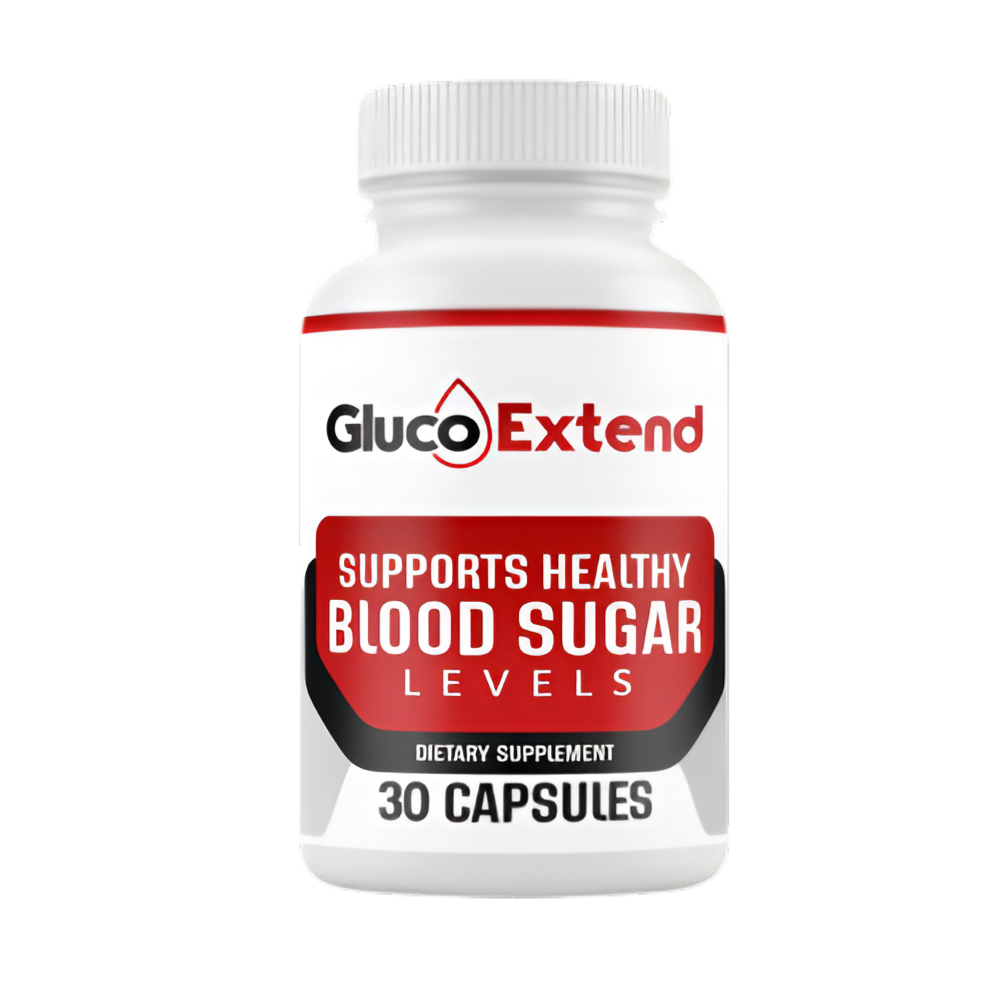
Gluco Extend blood sugar supplement bottle with capsules on a light blue background
11+ ingredients reviewed against clinical literature below

Product Review & Ingredient Evidence

Gluco Extend

Extend Your Balance: what's actually in it, and what the research says

Gluco Extend is a plant-and-nutrient supplement built around 11 ingredients traditionally associated with blood sugar support — bitter melon, cinnamon, gymnema sylvestre, banaba leaf, alpha lipoic acid, chromium, and more. Below, we break down each ingredient against published clinical research, not marketing copy, so you can decide whether Gluco Extend fits your routine.

Educational content only — not medical advice. This article contains affiliate links. See safety notes before ordering, especially if you take blood-sugar medication.

At A Glance

Gluco Extend quick overview

CategoryBlood sugar support supplement (capsule form)
Key ingredientsBitter melon, cinnamon, gymnema sylvestre, banaba leaf, deglycyrrhizinated licorice, yarrow, alpha lipoic acid, chromium, magnesium, zinc, biotin
Claimed useDaily support for glucose metabolism and insulin sensitivity
Evidence strengthMixed across ingredients — some (cinnamon, chromium, banaba) have stronger human trial support than others (yarrow, DGL)
Who should be cautiousAnyone on insulin or glucose-lowering medication, pregnant or nursing individuals, people with hormone-sensitive conditions (licorice-related ingredients)
Regulatory statusDietary supplement — not FDA-evaluated to diagnose, treat, cure, or prevent any disease
Where to buyOfficial website only (order page) to avoid counterfeit listings

What Is Gluco Extend?

What is Gluco Extend, exactly?

Gluco Extend is a dietary supplement that combines 11 plant extracts and micronutrients — including bitter melon, cinnamon, and chromium — that have each been studied, to varying degrees, for their effect on blood glucose or insulin sensitivity. It's taken as a daily capsule alongside diet and lifestyle changes, not as a substitute for prescribed diabetes treatment.

Rather than isolating a single active compound, Gluco Extend follows a "proprietary blend" approach common in the supplement category: multiple ingredients at lower individual doses, combined on the theory that their mechanisms complement one another. That approach has an upside (broader coverage of possible pathways) and a downside (it's harder to know which ingredient, if any, is doing the work at the doses used) — both are covered in the ingredient breakdown below.

Why It Stands Out

Why does Gluco Extend stand out from other blends?

  • Breadth over a single compound. Most single-ingredient blood sugar supplements lean on one botanical. Gluco Extend layers 11, spreading exposure across several studied mechanisms rather than betting on one.
  • Includes established cofactors, not just botanicals. Chromium, magnesium, and zinc are minerals with a documented role in insulin signaling — a more conventional nutritional angle alongside the traditional herbs.
  • Deglycyrrhizinated licorice, not whole licorice. Removing glycyrrhizin lowers the risk of the blood-pressure and potassium issues associated with standard licorice root — a detail worth knowing if you've read licorice warnings elsewhere.

Gluco Extend Ingredients

Every ingredient, checked against the research

Evidence tags reflect the human clinical trial base as of 2026 — not marketing claims. "Established" means a well-documented physiological role; it doesn't guarantee a noticeable effect at the dose used in this product, since Gluco Extend doesn't publish exact per-ingredient amounts.

Bitter Melon Momordica charantia

Evidence: Mixed

Bitter melon is a traditional Southeast Asian remedy for diabetes, and it contains compounds — charantin and a polypeptide sometimes called plant insulin — that behave like insulin in lab studies. Human results are inconsistent: some randomized trials report lower fasting and post-meal glucose, but a 2023 systematic review and meta-analysis pooling 9 randomized controlled trials (414 patients) found no statistically significant difference from placebo on fasting glucose or A1c.

Why it's here: it's the most recognizable "anti-diabetic plant" in traditional medicine, and it does have plausible, insulin-mimicking mechanisms backed by lab and animal data — the gap is in large, consistent human trials.

Verdict: Reasonable inclusion for its traditional-use profile and safety record, but don't expect it alone to move your numbers — the human evidence is genuinely split.

Cinnamon Cinnamomum cassia

Evidence: Promising

Cinnamon is one of the more consistently studied spices for glycemic control. Multiple meta-analyses of 16 to 28 randomized trials report that cinnamon supplementation modestly lowers fasting blood glucose and improves HOMA-IR (a marker of insulin resistance) in people with type 2 diabetes, though the effect on A1c is less consistent across reviews, and heterogeneity between studies is high.

Why it's here: among the plant ingredients in this blend, cinnamon has the largest and most repeated body of human trial data, even though effect sizes are modest and some newer meta-analyses find no significant change in fasting glucose specifically.

Verdict: One of the better-supported ingredients in the formula for insulin sensitivity, with the caveat that "modest and inconsistent" is more accurate than "proven."

Deglycyrrhizinated Licorice Glycyrrhiza glabra (DGL)

Evidence: Limited (for glucose)

DGL is licorice root with glycyrrhizin removed, which is the compound responsible for licorice's well-known blood-pressure and potassium side effects. DGL's clinical evidence base is strongest for digestive comfort, not blood sugar — direct human trial data on DGL specifically for glycemic control is thin.

Why it's here: likely included for its anti-inflammatory and digestive-support reputation, and because it's a safer substitute for whole licorice root. It's the ingredient in this blend with the weakest direct link to glucose metabolism.

Verdict: Fine from a safety standpoint, but its presence in a "blood sugar" formula is better explained by general wellness support than by glucose-specific research.

Gymnema Sylvestre Gymnema sylvestre

Evidence: Preliminary

Gymnema sylvestre is a staple of Ayurvedic medicine, sometimes called "sugar destroyer" because chewing the leaf can temporarily blunt the taste of sweetness. Animal studies and small human studies suggest it may reduce intestinal sugar absorption and support insulin secretion, and expert reviews describe it as having hypoglycemic and lipid-lowering effects, but large, rigorous randomized trials in humans remain limited.

Why it's here: its taste-blunting effect on sugar cravings is a genuinely distinctive mechanism among these ingredients, separate from insulin sensitivity.

Verdict: Interesting traditional-use candidate with real preclinical support; treat human efficacy claims as preliminary rather than settled.

Banaba Leaf Extract Lagerstroemia speciosa

Evidence: Promising

Banaba leaf contains corosolic acid, a compound reported in small human studies to lower blood sugar within about 60 minutes of dosing. A 2025 narrative review describes insulin-sensitizing and glucose-lowering effects confirmed in clinical trials of banaba and corosolic acid in people with type 2 diabetes and prediabetes, and notes early evidence that combining banaba with chromium picolinate may work better than either alone.

Why it's here: corosolic acid has one of the more direct human-trial signals for rapid glucose-lowering among this ingredient list.

Verdict: A genuinely evidence-backed choice, especially when paired with chromium as it is in this formula — though study sizes remain small.

Yarrow Flower Achillea millefolium

Evidence: Limited (for glucose)

Yarrow has a long history in traditional herbal medicine for digestion and inflammation, but there isn't a meaningful human clinical trial base connecting it specifically to blood glucose control.

Why it's here: most plausibly included for general anti-inflammatory and digestive support rather than direct glycemic action.

Verdict: Reasonable as a supporting ingredient, but not one to weigh heavily in a "does this lower blood sugar" decision.

Alpha Lipoic Acid, Chromium, Magnesium, Zinc & Biotin

Evidence: Established roles

These five are nutrients with documented physiological roles in glucose metabolism rather than traditional botanicals. Alpha lipoic acid is a well-studied antioxidant most researched for diabetic nerve pain, with some evidence for improved insulin sensitivity. Chromium is required for normal insulin action, and chromium picolinate has clinical trial data supporting modest glycemic benefits, particularly in people who are chromium-insufficient. Magnesium and zinc are cofactors in insulin synthesis and signaling, with deficiency in either linked to worse insulin resistance. Biotin supports carbohydrate metabolism and has been studied in combination with chromium for glycemic support.

Why they're here: this is the "conventional nutrition" half of the formula — cofactors your body genuinely needs for normal insulin function, as opposed to the botanicals' more speculative mechanisms.

Verdict: Most useful if your diet or labs show you're actually low in one of these — supplementing a nutrient you're not deficient in tends to show a smaller effect in trials.

Mechanism

How does Gluco Extend work in the body?

Gluco Extend's ingredients act on three broad points in glucose metabolism: absorption, insulin sensitivity, and insulin-producing cell support. Here's how each stage maps to specific ingredients.

Stage 01

Slowing glucose absorption

Gymnema sylvestre and bitter melon are both studied for reducing how much dietary sugar the intestine absorbs, which can blunt the size of a post-meal glucose spike.

Stage 02

Improving insulin sensitivity

Cinnamon, banaba leaf, alpha lipoic acid, and chromium all have research tying them to how efficiently cells respond to insulin already in the bloodstream — the mechanism behind lower HOMA-IR scores in trials.

Stage 03

Supporting cofactor status

Magnesium, zinc, and biotin round out the formula by covering micronutrients your pancreas and cells need for normal insulin production and signaling — useful mainly if your levels are on the low side.

Balanced Take

Gluco Extend: pros and cons

What's genuinely in its favor

  • Several ingredients (cinnamon, banaba, chromium) have real human trial support for glycemic markers.
  • Uses deglycyrrhizinated licorice rather than whole licorice root, avoiding a known blood-pressure risk.
  • Covers established nutritional cofactors (magnesium, zinc, biotin) alongside botanicals.
  • Capsule format is easier to dose consistently than raw herbal preparations.

What to weigh before buying

  • "Proprietary blend" labeling typically means exact per-ingredient doses aren't disclosed, making it hard to compare against clinical trial doses.
  • At least two ingredients (yarrow, DGL) have little to no direct human evidence for blood sugar specifically.
  • Bitter melon's evidence base is genuinely mixed, not uniformly positive.
  • Not a substitute for prescribed diabetes medication, and combining it with such medication needs medical supervision.

Where To Buy

Where to buy Gluco Extend

To avoid counterfeit or expired stock sold by third-party marketplace resellers, order Gluco Extend directly through the official website. Check the order page for current multi-bottle pricing and any money-back guarantee terms before you buy.

Ready to see current pricing?

Multi-bottle bundles are typically the better per-bottle value if you plan to use Gluco Extend for the 8–12 weeks most of the underlying research suggests is needed to judge an effect.

Visit Official Website

Side Effects & Safety

Gluco Extend side effects and safety notes

Read this before ordering

Most ingredients in Gluco Extend are generally well tolerated at typical supplement doses; the most commonly reported issues with similar botanical blends are mild digestive upset, nausea, or headache, especially when starting. The bigger consideration is drug interaction, not toxicity: bitter melon, cinnamon, gymnema, banaba, and chromium can all independently lower blood glucose, so stacking Gluco Extend on top of insulin or oral diabetes medication raises real risk of hypoglycemia (low blood sugar) unless a doctor is monitoring the combination.

Avoid or check with a doctor first if you: are pregnant or breastfeeding, have a scheduled surgery (some ingredients affect blood sugar and clotting), take diabetes medication or insulin, or have a licorice-sensitive condition such as certain hormone or kidney disorders — even though DGL removes glycyrrhizin, discuss it with your provider if you're unsure.

FAQ

Gluco Extend frequently asked questions

Is Gluco Extend safe to take?

Gluco Extend is generally considered safe to take for most healthy adults at the recommended dose, but "safe" depends heavily on your medications and health status. Because several Gluco Extend ingredients affect blood sugar directly, anyone on diabetes medication should get medical clearance before taking Gluco Extend.

Can Gluco Extend replace my diabetes medication?

No — Gluco Extend cannot and should not replace diabetes medication. Gluco Extend is a dietary supplement, not an FDA-approved drug, and stopping prescribed treatment in favor of Gluco Extend without medical guidance could be dangerous.

How long does it take for Gluco Extend to work?

How long Gluco Extend takes to work isn't fixed, but the clinical trials behind its key ingredients (cinnamon, banaba, chromium) generally measured results after 8 to 12 weeks of consistent use. Expecting Gluco Extend to work within days isn't realistic based on that research.

What are the side effects of Gluco Extend?

The side effects of Gluco Extend reported for similar formulas are usually mild — think digestive discomfort or headache — with the more serious side-effect risk being low blood sugar if combined with diabetes medication. Discuss Gluco Extend's side effect profile with a doctor if you're on any glucose-lowering treatment.

Does Gluco Extend interact with other medications?

Yes, Gluco Extend can interact with other medications, most notably insulin and oral diabetes drugs, because multiple Gluco Extend ingredients independently lower blood glucose. It may also interact with blood pressure or blood-thinning medication given some ingredients' effects on circulation; a pharmacist or doctor can check your specific list.

Research Notes

How we evaluated the research behind Gluco Extend

The evidence tags on this page reflect published human clinical research on each ingredient class, summarized in our own words rather than pulled from marketing material.

Sources reviewed for this page include a 2023 systematic review and meta-analysis of bitter melon RCTs (Frontiers in Nutrition), multiple cinnamon meta-analyses spanning 16–28 randomized trials, a 2025 narrative review on banaba and chromium picolinate for prediabetes, and reviews on Gymnema sylvestre and corosolic acid pharmacology. None of these studies evaluated the Gluco Extend product itself — they studied the individual ingredients, often at different doses than a proprietary blend discloses, which is why our verdicts are ingredient-level, not product-level guarantees.

  • Systematic review & meta-analysis of bitter melon RCTs — Frontiers in Nutrition, 2023
  • Cinnamon glycemic control meta-analyses — multiple journals, 2019–2025
  • Narrative review on banaba leaf & chromium picolinate in prediabetes, 2025
  • Reviews of Gymnema sylvestre pharmacology and traditional use

Learn More

Understanding blood sugar beyond any single supplement

What actually moves blood sugar the most?

Across the research reviewed for this page, the interventions with the largest, most consistent effect sizes weren't supplements — they were structured lifestyle changes: sustained weight loss, regular physical activity, and carbohydrate-aware eating patterns. Supplements like Gluco Extend are best understood as a potential add-on to that foundation, not a replacement for it.

When to see a doctor instead of trying a supplement

Persistent thirst, frequent urination, blurred vision, unexplained fatigue, or a fasting glucose reading you don't understand are reasons to see a doctor before trying any supplement, Gluco Extend included. Blood sugar problems are diagnosable and medically manageable — self-treating with botanicals first can delay a diagnosis that matters.

Affiliate disclosure: Supplements Magzine may earn a commission from purchases made through links on this page, at no additional cost to you. This does not affect the ingredient evidence summarized above.

Not medical advice: This content is for educational purposes only and has not been evaluated by the FDA. Gluco Extend is not intended to diagnose, treat, cure, or prevent any disease. Consult a licensed healthcare provider before starting any new supplement, especially if you are pregnant, nursing, taking medication, or managing a diagnosed health condition such as diabetes.

© 2026 Supplements Magzine. All rights reserved.